What the Fwuck?!

We put plastic in everything. Now it's in everyone. Why are we acting like it isn't happening?

Tiny bits of plastic have turned up in human blood, hearts and bottled water, and most plastic never gets recycled. Glass doesn't shed plastic and can be remade forever. So why aren't we using it? The honest answer, explained simply.
Nov 1, 2026 Β· 10 min read

Photo: Bruce C. Cooper (image), CC BY-SA 4.0, via Wikimedia Commons

Remember paper or plastic? Back in the 1980s, grocery stores switched to plastic bags. Now a lot of places have banned plastic bags and handed out paper again, and we sip through paper straws.

And while we were switching back and forth, scientists started finding tiny bits of plastic in people's blood, in their hearts and in the water we buy in bottles.

So here's the what-the-fwuck question: why don't we just go back to glass? Glass soda bottles were tough. Milk used to come in glass. Glass can be melted down and made new again and again.

The real answer is a little surprising. Here it is, in plain words.

The short answer

  • Plastic took over because it was cheaper, lighter and didn't break.
  • Tiny plastic bits are now found in people, but scientists don't know yet how much they hurt us.
  • Most plastic is not recycled. In the US it's under 1 in 10.
  • Glass doesn't shed microplastics and can be remade forever. Its one weak spot: it's heavy, so making it and trucking it around burns more fuel.
  • Fix that weak spot by washing and refilling the bottles, and glass wins on everything. That's the part we stopped doing.
  • Glass can be recycled forever, but most of it gets smashed in the mixed blue bin and thrown away instead. That's a choice, not a law of nature.

How we got from paper to plastic

In 1982 only about 5 out of every 100 US grocery bags were plastic. By 1986 it was 38 out of 100 (Christian Science Monitor). By the early 2000s it was about 80 out of 100 (Orion Magazine).

Why? Mostly money. In 1985, a thousand plastic bags cost stores about $24 and a thousand paper bags cost about $30 (Bend Bulletin). Plastic bags also had handles and didn't fall apart in the rain.

Many people remember the pitch as "save the trees." We couldn't find an old ad that actually said that. But here's the twist: the man who invented the one-piece plastic bag, a Swedish engineer named Sten Gustaf Thulin, really did mean it to save paper. His idea was that you'd keep one bag and use it over and over. His son said his dad carried a folded bag in his pocket, and that the idea of people throwing them away "would be bizarre" to him (Wikipedia, Orion).

So the bag was made to be reused. We used it once and threw it away.

Now we're flipping back to paper

Today about a dozen US states ban single-use plastic bags, and most of them let stores sell paper bags instead (Earth911).

But paper has problems too:

  • A paper bag has to be used about 3 times before it's better for the climate than a plastic bag used once. Paper bags rarely last that long (UK Environment Agency study).
  • A cotton tote bag has to be used about 131 times to beat that same plastic bag (same study).
  • Researchers in Belgium tested drinking straws and found "forever chemicals" (called PFAS) in 9 out of 10 paper straw brands. They found none in steel straws. They didn't test whether the chemicals get into your drink (BeverageDaily).

Meanwhile, the plastic is inside us

Plastic doesn't really go away. It breaks into smaller and smaller bits. The tiny ones are called microplastics, and the super-tiny ones are nanoplastics, small enough to slip into cells.

Here's what scientists have found:

  • In blood. Plastic showed up in the blood of 17 out of 22 healthy people tested (Environment International, 2022).
  • In bottled water. A Columbia University team counted about 240,000 plastic bits in one liter of bottled water. Most were nanoplastics, too small for older tests to see (AP via PBS). The bottled-water industry says the ways of measuring this aren't standard yet.
  • In hearts. Doctors in Italy looked at fatty gunk taken out of 257 people's neck arteries. Plastic was in the gunk of more than half of them. Over the next three years, those people were about 4.5 times more likely to have a heart attack, a stroke or die. The doctors were careful to say this does not prove the plastic caused it (New England Journal of Medicine, 2024).
  • In brains? Maybe. One 2025 study said it found about a spoonful of plastic in human brains. Other scientists say the test may have mixed up brain fat with plastic, and the paper had to be corrected (The Transmitter). So that one is still a question mark.

What we don't know: The World Health Organization says there's still "little evidence" about how much this harms people, but it still says it makes sense to cut down on plastic (WHO, 2022). Put simply: the plastic is in us, and nobody can say yet how much it matters.

"Just recycle it" mostly doesn't happen

In 2018 the US threw out about 36 million tons of plastic and recycled only 8.7% of it. About three-quarters went into landfills (US EPA). One later estimate puts it closer to 5 or 6% (Beyond Plastics).

Glass did better, at about 31% (US EPA), and glass can be melted and remade over and over without wearing out (Glass Packaging Institute).

So why don't we just use glass?

When it comes to plastic in our bodies, glass wins, no contest. Glass is made from sand. It doesn't break down into tiny bits that end up in our water and our blood, and it can be melted and remade forever.

Glass has one weak spot, and it's weight. A glass wine bottle weighs about 10 times more than a plastic one (Petnology). Making it takes a hot furnace, and moving it takes more truck fuel.

That's why one study of soda bottles, which only measured fuel and climate pollution, ranked a glass bottle used once as the worst choice on that one score. Refilled about 3 times, glass caught up with cans (Amienyo et al., 2013). But a review of 32 studies found that a glass bottle that gets refilled beats a throwaway plastic one after just 2 or 3 refills, and keeps getting better each time (Zero Waste Europe review).

So glass already wins on microplastics, and refilling makes it win on fuel too. Refilling is the magic. And refilling is exactly what we gave up:

  • The last returnable little glass Coke bottles in the US were filled in Winona, Minnesota, in 2012. That bottler had been washing and refilling them since 1932 (MPR News).
  • SoBe, the drink with the famous lizard glass bottles people collected, switched to plastic in the late 2000s (Sporked). We couldn't find out why.
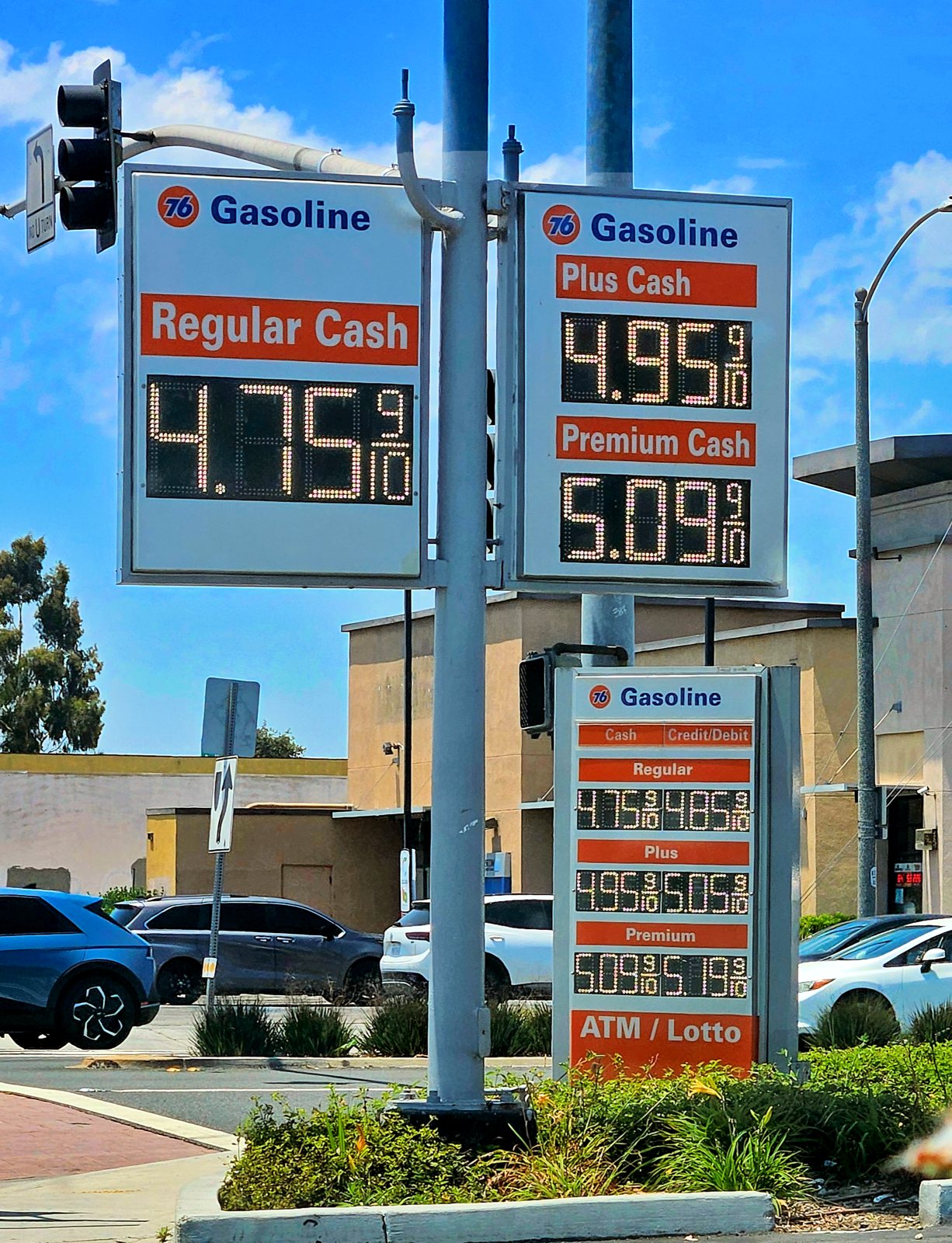
  • Glass milk bottles mostly disappeared starting in the 1960s, when cartons and plastic jugs came in. They were lighter, cheaper and didn't break (Wikipedia).
Glass gets recycled forever, if we stop smashing it in the blue bin

Here's something that should make everybody mad. Only about 31% of US glass gets recycled (US EPA). And of the glass people do toss in the recycling, only about 4 out of 10 pieces actually become new glass (Glass Packaging Institute).

It's not because glass can't be cleaned. Glass washes just fine. The problem is how we collect it.

In most towns, glass goes into one big bin with paper, cans and plastic. The truck crushes it all together. By the time it gets to the sorting plant, the glass is tiny crumbs of every color, stuck to bits of paper and bottle caps. Bottle makers need glass sorted by color, and crumbs that small and mixed are very hard to sort (Earth911, Recycling Today).

Other countries prove it can be done. Some European countries recycle more than 90% of their waste glass. The chemistry magazine C&EN says the US falls behind mostly because those mixed bins turn glass into dirty, costly crumbs, plus longer trucking distances and weaker recycling habits (C&EN, 2019).

So why don't we? Money. Sand is cheap. Cleaning and sorting crushed, mixed-up glass can cost more than the glass is worth, so a lot of it ends up as landfill cover or road filler instead (Earth911). Glass can be recycled forever. We just don't pay for the extra step.

Glass is getting tougher

The old complaint about glass is that it breaks. Glassmakers are working on that.

  • A glass company called Vetropack now makes a tempered refill bottle called Echovai. Tempered means the hot glass is cooled very fast, the same trick used for car side windows. The company says it's about 30% lighter than a normal refill bottle and at least as strong, and it holds up better after many washes (Vetropack, Food & Drink Technology). A big Austrian beer brand started using it in 2024. Lighter glass also fixes glass's one weak spot: the extra fuel to haul it.
  • Glass can also be made tougher with a hot salt bath that hardens the surface, the same idea behind tough phone screens. Patents for strengthening soda and beer bottles this way go back decades (US patent 3,791,809).

One honest footnote: most glass bottles get a thin, invisible coating on the outside at the factory so they don't scratch each other on the line. That coating is often a polyethylene wax, a kind of plastic. It doesn't touch your drink, it's very thin, and some makers use natural carnauba wax instead (US patent 9,926,226).

The milk-jug swap already exists

Trading in milk bottles isn't a dream. Some dairies still do it:

  • Straus Family Creamery in California charges a $3 deposit on its glass bottles and gives it back when you return them. But on average each bottle only makes about 5 trips (Straus).
  • Strafford Organic Creamery in Vermont charges $1.50, and only about 65% of its bottles come back. The rest end up broken, kept or lost (VTDigger).

That's the catch: a refill system only works if people bring the bottles back.

One more milk fact: light is what makes milk taste "off." See-through plastic jugs let light in, which can change the flavor and break down vitamins (Virginia Tech, via DairyReporter). Clear glass lets light in too, so what protects milk is a container that blocks light.

Wait, aren't paper milk cartons plastic-free?

Nope. A paper carton would turn to mush if milk touched the paper, so the inside (and usually the outside) is coated with a thin layer of plastic called polyethylene. A typical 1-liter carton is about 70% paper, 25% plastic and 5% aluminum by weight (Recycling Today).

Does that plastic get into the food? Scientists in China tested 13 kinds of baby formula powder. Formula sold in boxes with a polyethylene and foil lining had more microplastics than formula sold in cans, and the bits most likely came from that inner lining (AGU, 2022).

So a carton is mostly paper, but the part that touches your milk is plastic. With glass, the bottle itself has no plastic at all (the cap is a different story, so look for metal caps).

Places that refill, and how it's going

  • Oregon started America's first bottle deposit back in 1971. Today you get 10 cents back per bottle or can, and about 86% come back (Oregon Bottle Bill).
  • Germany puts a deposit on almost every drink bottle. Even so, only about 1 in 3 drinks there comes in a refillable bottle, far from the country's goal of 7 in 10 (German Environment Agency).
  • Coca-Cola in Latin America refills bottles up to about 25 times before recycling them (GS1 UK). But in 2024 the company dropped its goal of selling a quarter of its drinks in reusable packaging by 2030 (Packaging Dive).

So, what the fwuck?

Plastic is in our water, our blood and our hearts. Most of it is never recycled. Scientists are still working out how much harm it does, but nobody can take it back out. And we're mostly acting like it isn't happening.

Meanwhile, the fix is old and boring. Glass doesn't shed plastic. It can be remade forever. It works best when we wash it and refill it, and when we collect it on its own instead of smashing it in the blue bin. We used to do exactly that. Then throwing things away got cheaper, so we stopped.

Nobody has to be the bad guy here. It's just how the money worked out. But the money can change if enough of us choose glass, bring the bottles back and ask our towns to collect glass separately.

Easy things you can do

  • Drink tap water from a steel or glass bottle you refill, instead of buying bottled water.
  • Reuse every bag you get, paper or plastic, as many times as you can. Old plastic bags make good trash-can liners.
  • Bring bottles back if your state has a deposit. In Oregon, that's 10 cents each.
  • Look for a local dairy that sells milk in returnable glass, and return the bottles.
  • Keep recycling clean. Dirty or mixed-up items can ruin a whole batch (Glass Packaging Institute).
  • Ask your town about glass. If there's a glass-only bin or drop-off spot, use it. If there isn't, ask for one.
  • Choose glass when you can, especially for milk, water and drinks.

How this was made: researched and written with the help of AI, then fact-checked and approved by a person before publishing. Every fact links to its source. Spot a mistake? Tell us.

Keep reading

What the Fwuck?!

Charge twice as much, make twice as much: oil company profits doubled. Here's the math.

Shell just doubled its profit. Pump prices jumped far more than the oil they're made from. Here's where the extra money goes, why electric cars and biodiesel didn't bring prices down, and what the numbers actually say, explained simply.

Tech

Nothing is more infuriating: AI is now customer service, and it keeps sending you in circles instead of to a person.

You have a real problem. The chatbot sends you to a help page. The 'manager' is another bot that sends you to the same page. The email that finally comes just repeats the link. Here's why it happens, what the numbers say, the new laws fighting it, and how to reach a human.

Health & Wellness

This is insane. AI makes things up. Lawyers got caught. Now it's in your emergency room.

AI that invents fake facts has already embarrassed lawyers and judges in more than 2,000 court cases. Now most doctors use it, many ERs run on it, and studies show even experts follow it when it's wrong. Here's the evidence, and how to protect yourself.